Mechanical Keyboards That Last a Decade (and How to Pick One)
Membrane keyboards are disposable. Mechanical keyboards with quality switches, hot-swap sockets, and metal cases last 10-20 years. Here's how to choose the right one.

If you type for a living — and in 2026, most of us do — your keyboard is the tool you use more than any other. The average office worker types 40+ words per minute for 6-8 hours per day, which adds up to roughly 10 million keystrokes per year. A $20 membrane keyboard uses rubber domes that lose their tactile feel after 5-10 million presses, resulting in mushy, inconsistent typing within 1-2 years. A mechanical keyboard uses individual mechanical switches rated for 50-100 million actuations — meaning the keyboard outlasts the membrane alternative by 10-20x before any switch degradation occurs. The typing feel remains consistent from year one to year ten.
The HHKB Professional Hybrid Type-S is the holy grail for software developers and writers. It uses Topre electrocapacitive switches — a hybrid design that combines a rubber dome with a capacitive sensing mechanism, delivering a smooth, thock-y feel that's quieter than Cherry MX switches while maintaining the durability of mechanical actuation. The HHKB has been manufactured by PFU Limited in Japan since 1996, and its compact 60-key layout is deliberately designed for programmers who never leave the home row. At $300-350, it's expensive, but HHKB owners are famously loyal — many have used the same board for 10-15 years. The Hybrid version adds Bluetooth connectivity and USB-C.
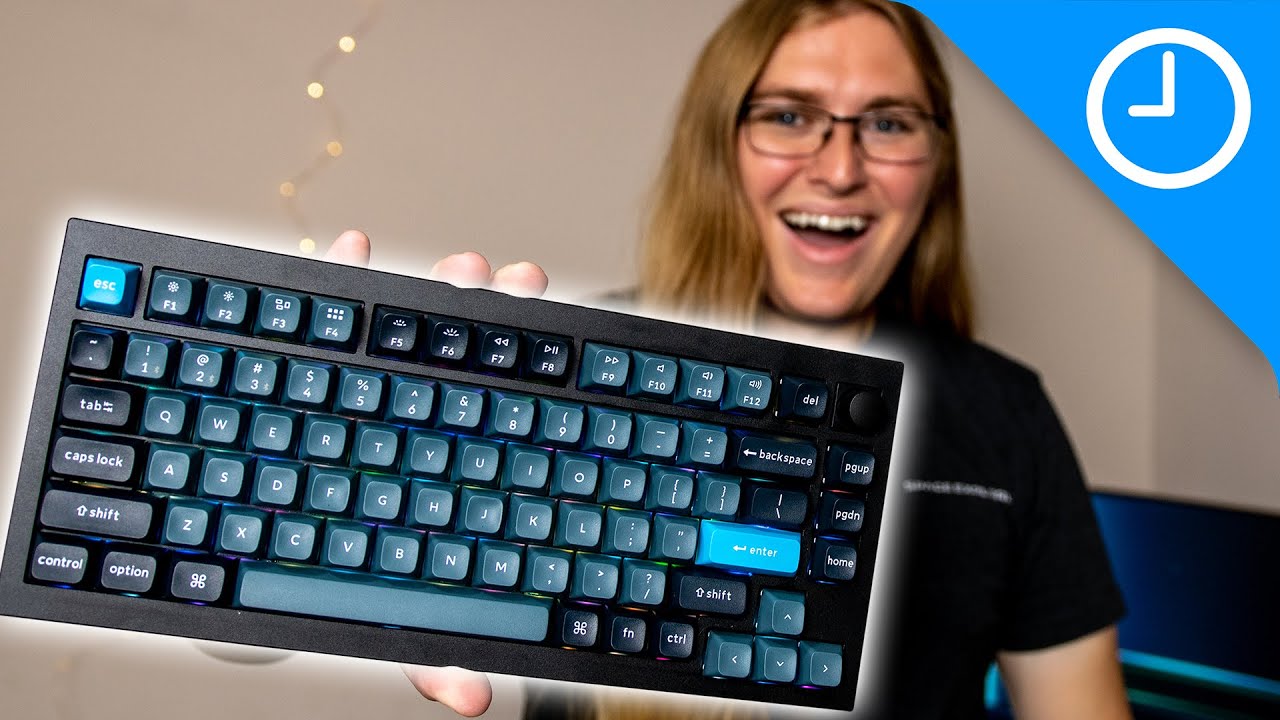
The Keychron Q1 Pro ($180-220) represents the best value in the enthusiast mechanical keyboard market. It uses a CNC-machined aluminum case, hot-swappable switches (meaning you can change switches without soldering — when a switch fails in year 8, you replace that one switch for $0.50 instead of buying a new keyboard), a gasket-mount design for consistent typing feel, and QMK/VIA firmware for full programmability. Keychron includes a knob for volume control and supports both 2.4GHz wireless and Bluetooth. The aluminum case and steel plate will outlast any plastic keyboard by decades.
For those who want absolute premium quality, the Leopold FC660M ($120-140) offers Cherry MX switches in a compact 65% layout with build quality that rivals boards twice its price. Leopold is a Korean manufacturer known for obsessive quality control — every keycap is PBT (polybutylene terephthalate), which resists the shine and oil degradation that cheaper ABS keycaps develop within months. The Das Keyboard 4 Professional ($170) takes the opposite approach with a full-size layout, Cherry MX Blue switches for maximum tactile feedback, and an anodized aluminum top panel. Both are built to last a decade with zero maintenance.
The key to making a mechanical keyboard last is understanding what wears out and what doesn't. The switches are rated for 50-100 million presses and rarely fail prematurely. The keycaps are the first thing to degrade — ABS plastic develops shine within 6-12 months, while PBT plastic maintains its texture for years. Replacing keycaps ($30-80 for a full set) is trivial on any mechanical keyboard and instantly refreshes the typing experience. The stabilizers under larger keys (spacebar, shift, enter) can develop rattle over time, but lubing them is a 20-minute maintenance task. A mechanical keyboard with PBT keycaps and hot-swap sockets is the BIFL computer peripheral: when anything wears out, you replace that specific component rather than the entire board.