BIFL Headphones: The Ones Worth Buying Once
Most headphones are designed to fail when the battery dies. These wired and wireless headphones are built with replaceable parts, real materials, and sound quality that lasts decades.

Consumer headphones are engineered for a 2-3 year lifespan. Wireless models use lithium-ion batteries that degrade to 80% capacity within 500 charge cycles — roughly 2 years of daily use — and those batteries are typically soldered in, making replacement impossible without destroying the headphones. The result: millions of perfectly good headphones land in e-waste streams every year because of a $3 battery. The headphones on this list take the opposite approach. They use replaceable cables, replaceable pads, and either no battery (wired) or accessible batteries, meaning every component that wears out can be swapped without discarding the headphones.
The Sennheiser HD 600 is the BIFL headphone. Full stop. Introduced in 1997 and still in production with only minor revisions, the HD 600 has been the reference standard for audiophiles, recording studios, and mastering engineers for over 25 years. Every part is user-replaceable: the ear pads ($30-40, swap takes 10 seconds), the headband pad ($20), and the cable ($20-50 depending on whether you want stock or aftermarket). The drivers themselves are hand-matched in Sennheiser's factory and, barring physical abuse, last indefinitely. Sound-wise, the HD 600 delivers a neutral, reference-grade frequency response that reveals music as the artist intended. At $300-350, it's an investment — but a 25-year-old pair with fresh pads sounds identical to a brand new one.
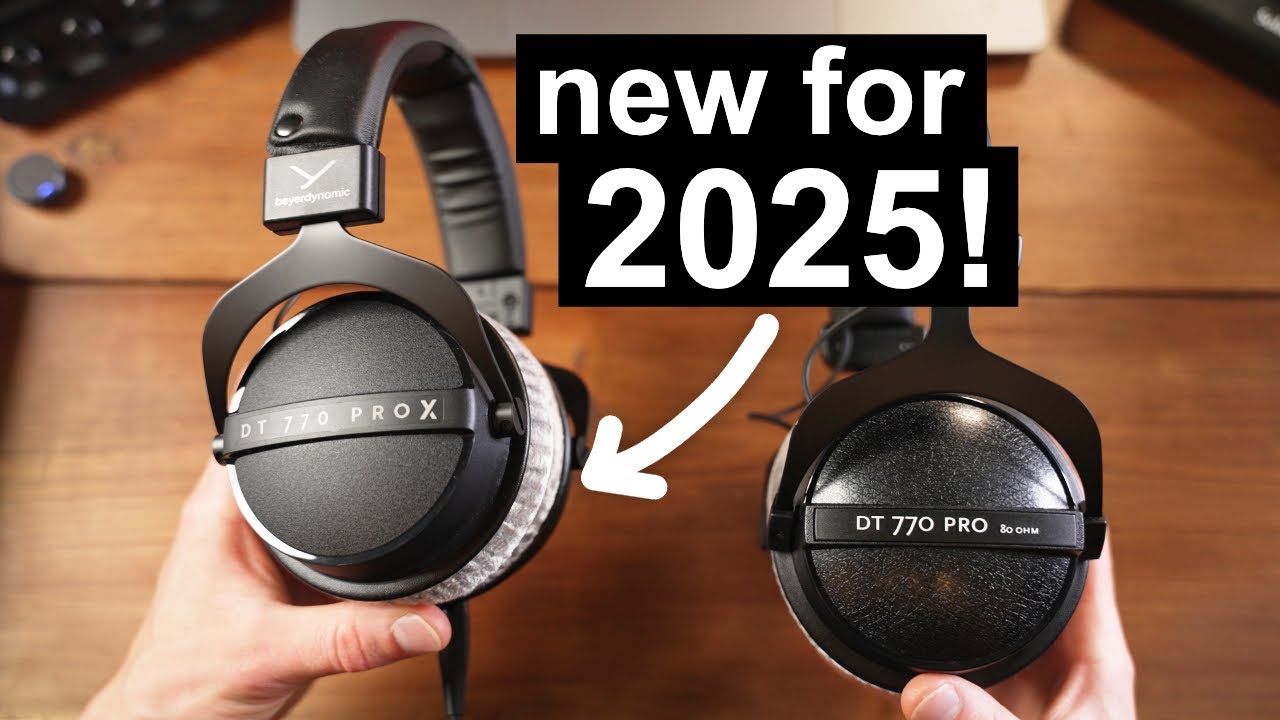
The Beyerdynamic DT 770 Pro is the closed-back counterpart for those who need noise isolation. Made in Heilbronn, Germany since 1985, the DT 770 uses Beyerdynamic's proprietary Tesla drivers and a spring-steel headband that maintains tension after decades of use. Like the HD 600, every wearing part is replaceable: ear pads, headband pad, and cable (on the detachable-cable version). The DT 770 is the headphone you'll find in every serious recording studio on earth — engineers trust it because it delivers consistent, honest sound reproduction year after year. At $150-180, it's one of the best values in audio.
For wireless listeners who refuse to accept the planned obsolescence of sealed batteries, options are more limited but improving. The Sennheiser Momentum 4 Wireless ($300-350) offers excellent ANC, 60-hour battery life (extending the useful battery lifespan), and Sennheiser's traditional build quality. The AKG K712 Pro ($250-300) is strictly wired but delivers an open, spacious soundstage that makes the HD 600 sound intimate by comparison — it's the headphone for classical music, jazz, and anyone who wants to hear the room the recording was made in. Its self-adjusting headband and replaceable velour pads ensure comfort and longevity.
The critical lesson is this: sound quality doesn't degrade. A transducer (speaker driver) that sounds excellent today will sound exactly the same in 20 years. The things that fail in headphones are consumables — pads, cables, and batteries — and BIFL headphones make those consumables replaceable. A Sennheiser HD 600 bought in 2001 and maintained with periodic pad replacements ($40 every 2-3 years) sounds identical to one bought today. That's $600-800 in pads over 25 years, bringing the total cost of ownership to roughly $900-1,150 — or $36-46 per year for reference-grade audio. Compare that to replacing $200 wireless headphones every 2-3 years: $2,000+ over the same period, with worse sound quality and a trail of e-waste.