The Math Behind Buying Quality: A Cost-Per-Use Analysis
Cheap products cost more in the long run. We ran the numbers on cost-per-use, and the results make the BIFL case undeniable.

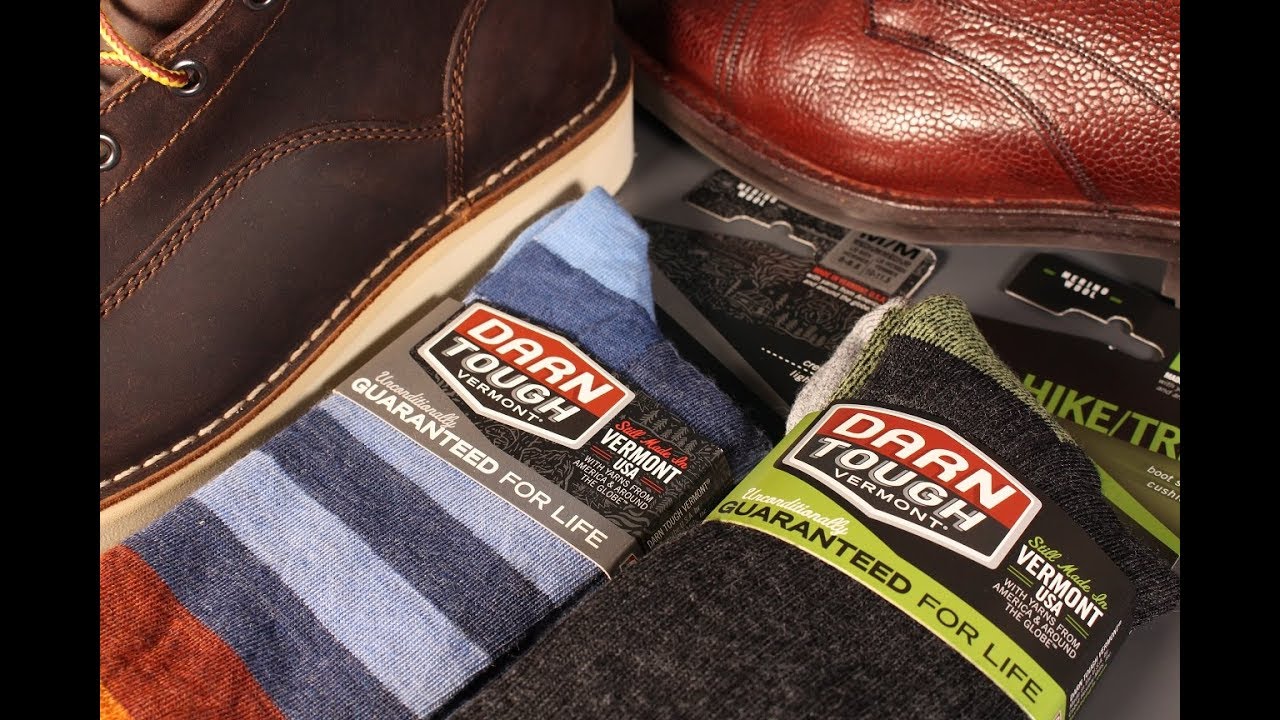
The sticker price is a lie. A $12 pack of socks from a big-box store seems like a bargain until you're buying new ones every six months. Over ten years, that's $240 on socks — and a landfill contribution of roughly 40 pairs. A single pair of Darn Tough Hiker socks costs $25 and comes with an unconditional lifetime warranty. If they ever wear out, Darn Tough replaces them free. Your ten-year sock cost: $25. That's a cost-per-use of about $0.007 per wearing. The cheap socks? $0.033 per wearing. Nearly five times more expensive.
This pattern repeats across every product category. A Vitamix 5200 blender costs $350-450 upfront. A typical $40 blender lasts 2-3 years before the motor burns out or the pitcher cracks. Over the Vitamix's proven 20+ year lifespan, you'd burn through 7-10 cheap blenders at a total cost of $280-400 — roughly the same money, but with dramatically worse performance, more plastic waste, and the recurring hassle of shopping for replacements. Factor in the Vitamix's 7-year full warranty and its legendary customer service, and the premium option is actually the budget option.
Cost-per-use is the metric that exposes the true economics of consumption. To calculate it, divide the purchase price by the number of times you'll use the item. A $350 KitchenAid stand mixer used twice a week for 25 years: $0.13 per use. A $60 off-brand mixer used twice a week for 2 years: $0.29 per use. The expensive mixer is less than half the cost. This math works for boots (Red Wing Iron Ranger: ~$0.27/wear over 10 years vs. $0.50+/wear for fast-fashion boots), jackets (a Filson Mackinaw Cruiser at $0.15/wear over 20 years), and tools (a Leatherman Wave+ at pennies per use over decades).
The compounding savings become staggering at the household level. The average American household spends roughly $1,800 per year replacing broken or worn-out consumer goods according to Bureau of Labor Statistics data on household furnishings and equipment. Shifting even half of those purchases to BIFL alternatives reduces that recurring expense by 40-60% over a five-year period. That's $3,600-5,400 in real savings — enough to fund an emergency fund or a family vacation.
There's a legitimate counterargument: not everyone can afford the higher upfront cost. The "boots theory" from Terry Pratchett's Discworld novels captures this perfectly — the person who can only afford $10 boots buys them every year, spending $100 over a decade, while the person who can afford $50 boots buys once. This is why we highlight products at every price point. A $35 Lodge skillet is BIFL at an accessible price. Darn Tough socks are $25. The entry point to buying better doesn't have to be expensive — it just has to be intentional.