How to Spot Quality: 7 Signs a Product Is Built to Last
You don't need to be an engineer to identify quality construction. These 7 indicators separate products built for decades from products built for landfills.

The ability to assess product quality before purchase is the most valuable consumer skill you can develop. Marketing budgets are designed to obscure the difference between genuine durability and the illusion of it — premium packaging, influencer endorsements, and aspirational branding can make a $30 product feel like a $300 one. But physical quality leaves objective evidence. Learn to read these seven signs, and you'll make better purchasing decisions across every product category for the rest of your life.
Sign one: material transparency. Companies that use quality materials name them specifically. Filson doesn't say "heavy fabric" — they say "22-ounce Mackinaw wool from a heritage mill." Rogue Fitness doesn't say "strong steel" — they say "11-gauge 3x3 steel with 200K PSI tensile strength." Specificity signals confidence. When a product listing says "premium materials" or "high-quality construction" without naming the actual material, that's a red flag. Sign two: construction at stress points. Flip any bag, jacket, or pair of pants inside out and examine where straps meet the body, where pockets attach, and where seams intersect. Quality products use bar-tacking (dense zigzag stitching in a rectangular pattern) at stress points. Cheap products use a single line of stitching that unravels under load.
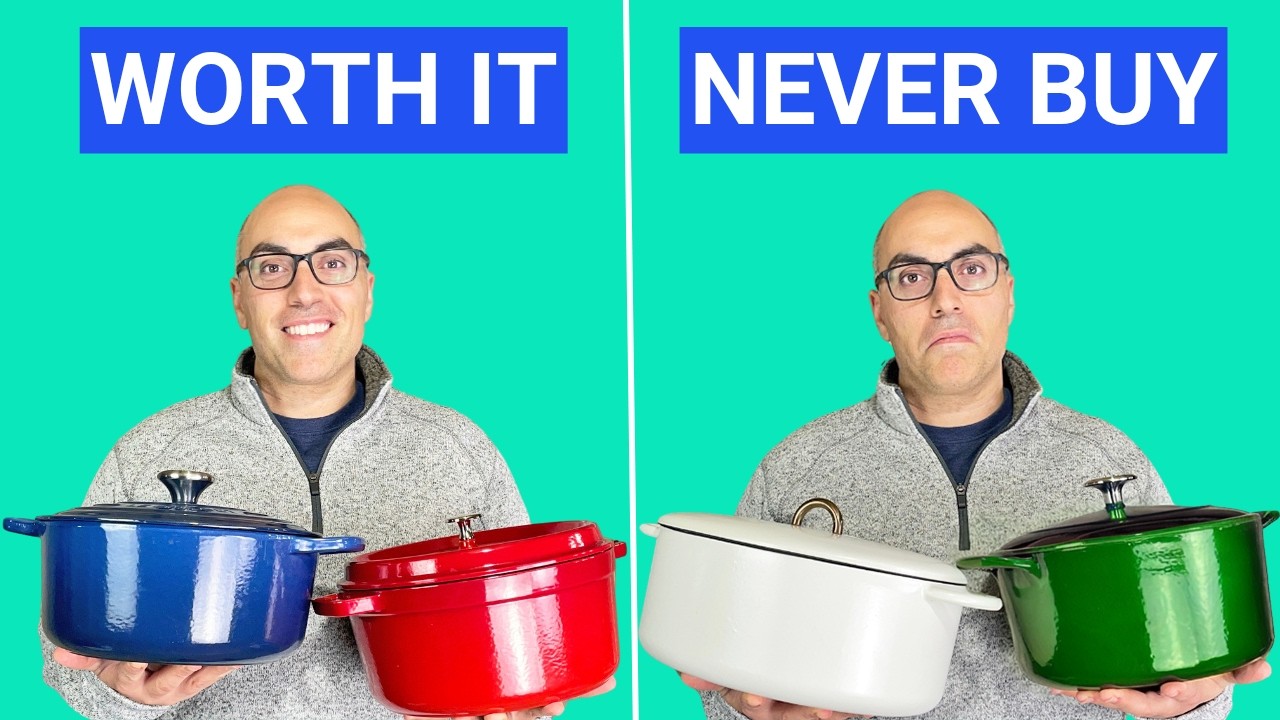
Sign three: fastener quality. Zippers should be YKK (the world's largest zipper manufacturer, producing over 50% of global zippers) or equivalent branded hardware. Check that snaps are metal, not plastic. Buttons should be riveted or shank-mounted, not glued. The Leatherman Skeletool exemplifies this principle — every pivot, every lock, every component is precision-machined from stainless steel with zero plastic in load-bearing positions. Sign four: weight honesty. Quality products are generally heavier than their cheap counterparts because durable materials weigh more. A Le Creuset 5.5-quart Dutch oven weighs 11.5 pounds because it's thick cast iron with vitreous enamel. A knockoff weighs 7-8 pounds because the casting is thinner and the enamel is lower quality. There are exceptions (advanced materials like titanium and carbon fiber are both strong and light), but in most consumer categories, unexpected lightness means corners were cut.
Sign five: the company sells replacement parts. If a manufacturer sells replacement handles, gaskets, blades, pads, or batteries, they've designed the product to be maintained, not replaced. KitchenAid sells every component of the Artisan stand mixer individually. Sennheiser sells replacement ear pads and cables for their headphones. This is the single strongest indicator of BIFL intent. Sign six: published specifications. Companies confident in their products publish detailed specs — tensile strength, hardness ratings, fabric weight, materials sourcing, country of manufacture. Companies hiding behind vague marketing rarely have impressive numbers to share.
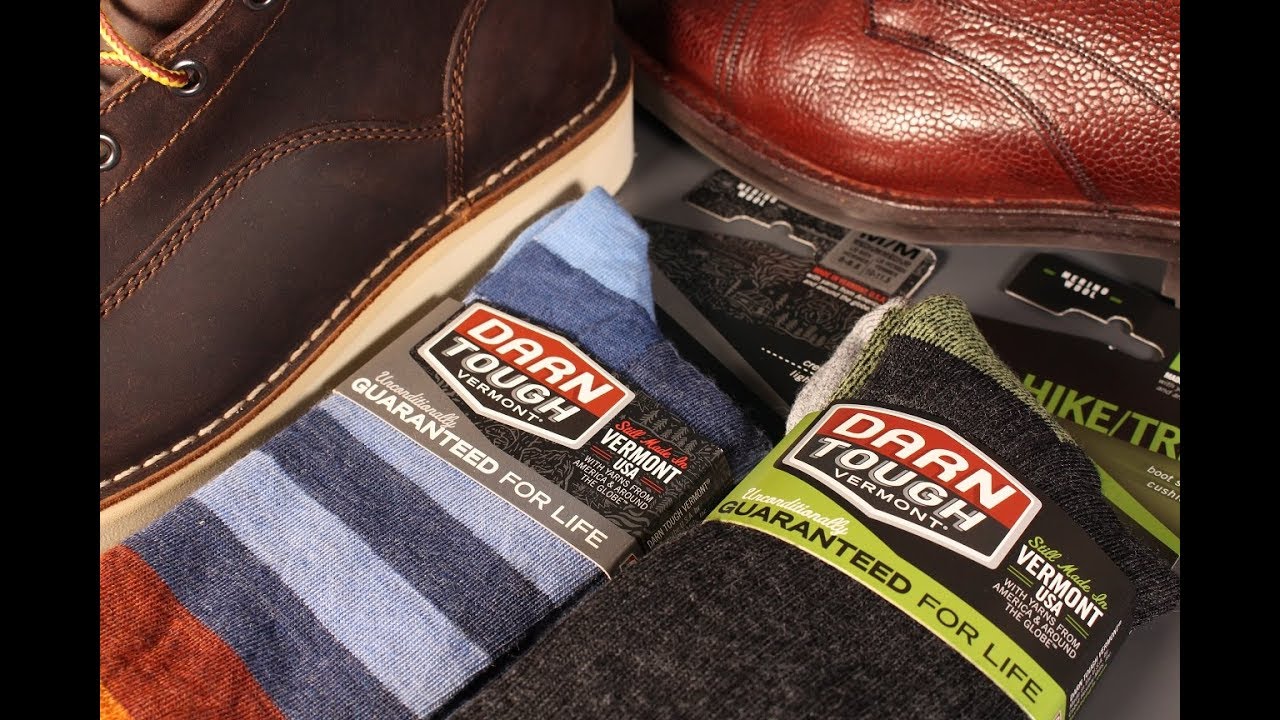
Sign seven: warranty terms and company longevity. A real warranty reflects manufacturing confidence. Darn Tough's unconditional lifetime guarantee, Osprey's All Mighty Guarantee, GORUCK's SCARS warranty, and Lodge's limited lifetime warranty all signal that the manufacturer has done the math and knows their products rarely fail. But a warranty is only as good as the company behind it, which is why company age matters. Lodge has been operating since 1896. Leatherman since 1983. Victorinox since 1884. These companies have proven their durability alongside their products. A "lifetime warranty" from a company founded last year is a marketing promise, not a track record.