Speed Queen vs Everyone: Why One Washing Machine Brand Dominates BIFL
While Samsung and LG race to add touchscreens and WiFi, Speed Queen builds washing machines like they did 30 years ago — and that's exactly why they last 25+ years.
The average washing machine lasts 8-12 years. A Speed Queen lasts 25. That single statistic explains why Speed Queen has become the most recommended brand in every BIFL community on the internet, from Reddit's r/BuyItForLife to appliance repair forums where technicians share what they see in the field. Speed Queen is a division of Alliance Laundry Systems, headquartered in Ripon, Wisconsin, and they manufacture the same machines for both commercial laundromats and residential homes. When your machine is designed to survive 10,000+ cycles per year in a coin-op laundromat, handling 300-400 cycles per year in a home is barely a warm-up.
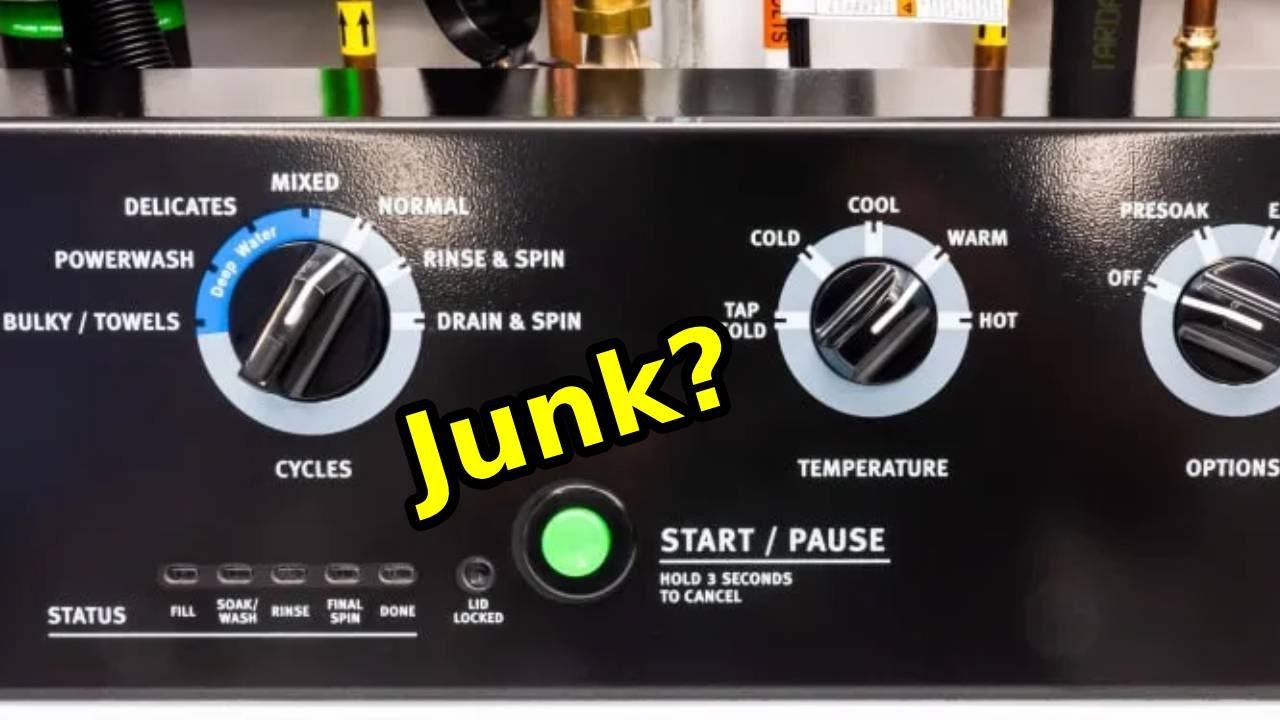
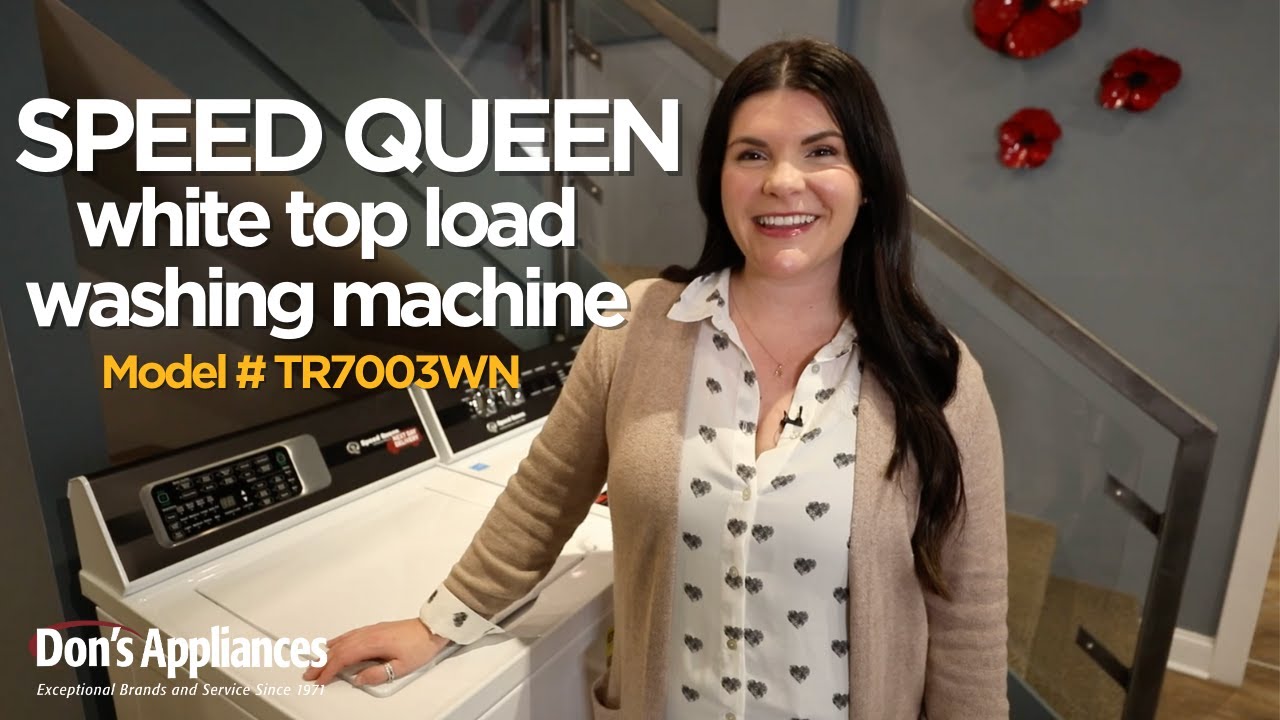
The Speed Queen TR7003WN top-loader ($1,100-1,300) is the flagship residential model. It uses a commercial-grade stainless steel wash tub, a direct-drive motor with no belt to wear out, a mechanical timer (no circuit board to fail), and a transmission that Speed Queen manufacturers in-house. The mechanical timer deserves special emphasis: the #1 failure point in modern washing machines is the electronic control board, which typically costs $200-400 to replace and often requires a technician. Speed Queen's mechanical timer eliminates this failure point entirely. The machine also uses a traditional agitator design that cleans clothes more effectively than the impeller systems in most modern HE machines — a fact that Consumer Reports confirmed but downplayed because their testing methodology penalizes water usage over cleaning performance.
The DR7004WE matching dryer ($1,100-1,300) follows the same philosophy: commercial-grade components, a mechanical timer, a large-diameter drum, and a 5-year parts-and-labor warranty on all components (most competitors offer 1-year). The washer-dryer pair costs roughly $2,200-2,600 — about 50% more than a mid-range Samsung or LG set. But here's the math that makes Speed Queen the obvious BIFL choice: a $1,500 Samsung washer-dryer set replaced every 10 years costs $4,500 over 30 years, plus 3 installation fees, 3 haul-away fees, and the environmental cost of manufacturing and disposing of 3 machines. A $2,400 Speed Queen set lasts the full 30 years with minimal maintenance. Total savings: $2,000+ and zero trips to the appliance store.
The common objection to Speed Queen is water usage. The TR7003WN uses approximately 25 gallons per load versus 13-15 gallons for a modern HE front-loader. At average US water rates ($0.015 per gallon), that's an extra $0.15-0.18 per load — roughly $50-60 per year for a household doing 300 loads annually. Over 25 years, that's $1,250-1,500 in additional water costs, which still falls well short of the $2,000+ savings from avoiding replacements. And your clothes come out cleaner. Appliance repair technicians overwhelmingly agree: Speed Queen's top-loaders clean better than any HE machine they've tested.
Speed Queen isn't perfect for everyone. If you live in an area with severe water restrictions or drought, the water usage is a legitimate concern. If you wash primarily delicates and performance fabrics, a front-loader's gentler tumble action is preferable. And if you want WiFi-connected laundry notifications, Speed Queen's mechanical simplicity means no app integration. But for the vast majority of households that want a washing machine and dryer that clean clothes effectively, run quietly, and never break down, Speed Queen is the answer. Appliance repair technicians — the people who see what actually fails and what doesn't — recommend Speed Queen more than any other brand. That's not marketing. That's field data from the people who fix machines for a living.